What is the most common cause of starter failure?
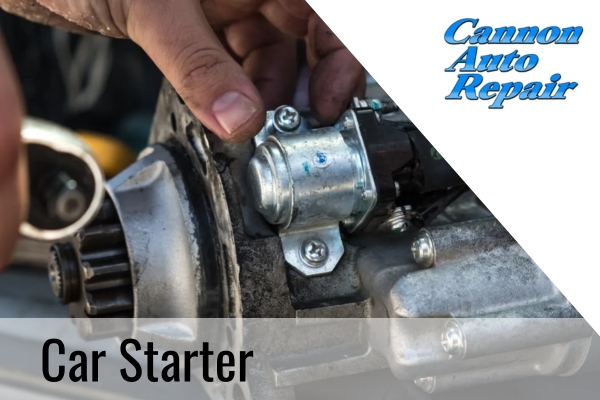
The most common cause of starter failure is internal wear and tear. Vehicle parts don’t last forever, and degradation begins the moment cars start. Notably, motor armatures, brushes, hoses, and solenoids are especially susceptible to erosion because they’re in constant use.
To that end, today, we’ll answer the question, “What is the most common cause of starter failure?”
- Bad Starter Solenoid: A solenoid converts electric energy into force via magnetic attraction. Drivers should understand that solenoids wear down, just like brake pads, and if degraded to the point where they don’t engage the gear or deliver a current to activate the magnets, the vehicle won’t start.
- Blown Fuse or Damaged Wiring: A blown fuse or broken connection in the starting circuit can render a vehicle useless. The good news is that a blown fuse is fairly easy and inexpensive to fix.
- Corroded, Dead, Weak Batteries and Loose Battery Terminal: When people ask, "What is the most common cause of starter failure?" the answer is often battery-related, especially if the battery is old, has loose terminals, corroded connections, or current-interrupting components that prevent the motor from turning over. If the battery turns out to be the problem, count yourself lucky. Tightening terminals and replacing batteries are cheaper fixes than a blown engine.
- Faulty Ignition Switches and Failed Alternators: If you turn the ignition key and nothing happens, the spark may not be sufficient to trigger the starter solenoid, indicating a failed ignition switch. A mechanic can test whether the ignition, battery, or starter is the culprit. Damaged alternators also prevent vehicles from starting.
- Seized Engine or Locked Flywheel: A locked flywheel or a seized engine can completely disable a car, and engine resistance can also stop it from turning over.
In many ways, your car is your lifeline. Think about it: How badly would your life be affected if your car were out of commission? If your vehicle isn’t turning over, make an appointment with a trusted mechanic who can determine the cause of the problem.
Question about what is the most common cause of starter failure? Contact our ASE-certified technicians at Cannon Auto Repair for more information about alternators and to schedule an appointment. Our auto shop proudly serves residents in the community of Cannon Falls, MN, and the surrounding areas.
About the Author

The most common cause of starter failure is internal wear and tear. Vehicle parts don’t last forever, and degradation begins the moment cars start. Notably, motor armatures, brushes, hoses, and solenoids are especially susceptible to erosion because they’re in constant use.
To that end, today, we’ll answer the question, “What is the most common cause of starter failure?”
- Bad Starter Solenoid: A solenoid converts electric energy into force via magnetic attraction. Drivers should understand that solenoids wear down, just like brake pads, and if degraded to the point where they don’t engage the gear or deliver a current to activate the magnets, the vehicle won’t start.
- Blown Fuse or Damaged Wiring: A blown fuse or broken connection in the starting circuit can render a vehicle useless. The good news is that a blown fuse is fairly easy and inexpensive to fix.
- Corroded, Dead, Weak Batteries and Loose Battery Terminal: When people ask, "What is the most common cause of starter failure?" the answer is often battery-related, especially if the battery is old, has loose terminals, corroded connections, or current-interrupting components that prevent the motor from turning over. If the battery turns out to be the problem, count yourself lucky. Tightening terminals and replacing batteries are cheaper fixes than a blown engine.
- Faulty Ignition Switches and Failed Alternators: If you turn the ignition key and nothing happens, the spark may not be sufficient to trigger the starter solenoid, indicating a failed ignition switch. A mechanic can test whether the ignition, battery, or starter is the culprit. Damaged alternators also prevent vehicles from starting.
- Seized Engine or Locked Flywheel: A locked flywheel or a seized engine can completely disable a car, and engine resistance can also stop it from turning over.
In many ways, your car is your lifeline. Think about it: How badly would your life be affected if your car were out of commission? If your vehicle isn’t turning over, make an appointment with a trusted mechanic who can determine the cause of the problem.
Question about what is the most common cause of starter failure? Contact our ASE-certified technicians at Cannon Auto Repair for more information about alternators and to schedule an appointment. Our auto shop proudly serves residents in the community of Cannon Falls, MN, and the surrounding areas.
About the Author