When should a radiator be replaced?
The job of a vehicle’s radiator is to cool the engine. Typically, they last between 8 and 12 years, depending on maintenance regularity, driving conditions, and cooling-system care. However, monitoring the radiator is imperative because failing to do so could prevent it from operating properly, leading to overheating and, in the worst case, engine seizure – an exceptionally expensive issue to rectify.
When Should a Radiator Be Replaced?
Even if you don’t know your way around radiator repair, a toolbox, or a car motor, it’s a good idea to learn some car maintenance basics. Plus, knowing the signs of a radiator in need could ultimately save you thousands of dollars. So what are they? Let’s take a look.
- Coolant Issues: Coolant and radiators go hand-in-hand. Without the former, the latter won’t operate. As such, you should keep your eye out for a handful of coolant-related problems.
- Leaks: Any and all vehicle leaks should be addressed as soon as possible. Coolant will leak from corroded and cracked radiators. Damaged seals also cause problems.
- Low Levels: As discussed, proper radiator functionality relies on coolant. Therefore, if the levels keep dropping, there’s likely a leak. To catch one before it becomes too damaging, do a quick check of your car’s fluids once a month.
- Discolored Coolant: Another thing you want to keep an eye out for is discolored coolant. Dirty liquid in the radiator signals corrosion buildup that’s causing issues and needs to be addressed.
- Damaged Radiator Fins: Radiator fins increase surface area, allowing for more efficient cooling. However, clogged and bent fins restrict airflow, preventing proper cooling.
- Engine Overheating: Does your car overheat? It’s never a good sign, and frequently a failing radiator is to blame. How? When too much heat builds up around the engine, it means the radiator isn’t doing its job. A fluctuating temperature gauge may also be a sign of radiator issues.
Why Is Radiator Repair Important?
What happens if you fail to fix a car radiator at the first signs of trouble? Outcomes could include:
- Blown head gasket
- Severe engine damage and possible seizure
- Expensive repairs
Bi-annual cooling system inspections can help extend radiator life and prevent unexpected engine problems.
Wondering when should a radiator be replaced? Contact our ASE-certified technicians at Cannon Auto Repair for more information about radiator repair and to schedule an appointment. Our auto shop proudly serves residents in the community of Cannon Falls, MN, and the surrounding areas.
About the Author

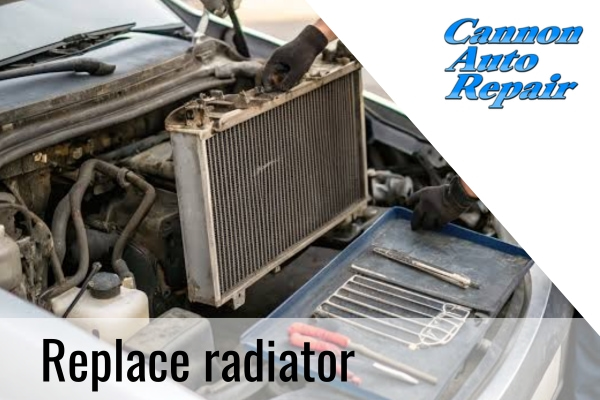
The job of a vehicle’s radiator is to cool the engine. Typically, they last between 8 and 12 years, depending on maintenance regularity, driving conditions, and cooling-system care. However, monitoring the radiator is imperative because failing to do so could prevent it from operating properly, leading to overheating and, in the worst case, engine seizure – an exceptionally expensive issue to rectify.
When Should a Radiator Be Replaced?
Even if you don’t know your way around radiator repair, a toolbox, or a car motor, it’s a good idea to learn some car maintenance basics. Plus, knowing the signs of a radiator in need could ultimately save you thousands of dollars. So what are they? Let’s take a look.
- Coolant Issues: Coolant and radiators go hand-in-hand. Without the former, the latter won’t operate. As such, you should keep your eye out for a handful of coolant-related problems.
- Leaks: Any and all vehicle leaks should be addressed as soon as possible. Coolant will leak from corroded and cracked radiators. Damaged seals also cause problems.
- Low Levels: As discussed, proper radiator functionality relies on coolant. Therefore, if the levels keep dropping, there’s likely a leak. To catch one before it becomes too damaging, do a quick check of your car’s fluids once a month.
- Discolored Coolant: Another thing you want to keep an eye out for is discolored coolant. Dirty liquid in the radiator signals corrosion buildup that’s causing issues and needs to be addressed.
- Damaged Radiator Fins: Radiator fins increase surface area, allowing for more efficient cooling. However, clogged and bent fins restrict airflow, preventing proper cooling.
- Engine Overheating: Does your car overheat? It’s never a good sign, and frequently a failing radiator is to blame. How? When too much heat builds up around the engine, it means the radiator isn’t doing its job. A fluctuating temperature gauge may also be a sign of radiator issues.
Why Is Radiator Repair Important?
What happens if you fail to fix a car radiator at the first signs of trouble? Outcomes could include:
- Blown head gasket
- Severe engine damage and possible seizure
- Expensive repairs
Bi-annual cooling system inspections can help extend radiator life and prevent unexpected engine problems.
Wondering when should a radiator be replaced? Contact our ASE-certified technicians at Cannon Auto Repair for more information about radiator repair and to schedule an appointment. Our auto shop proudly serves residents in the community of Cannon Falls, MN, and the surrounding areas.
About the Author